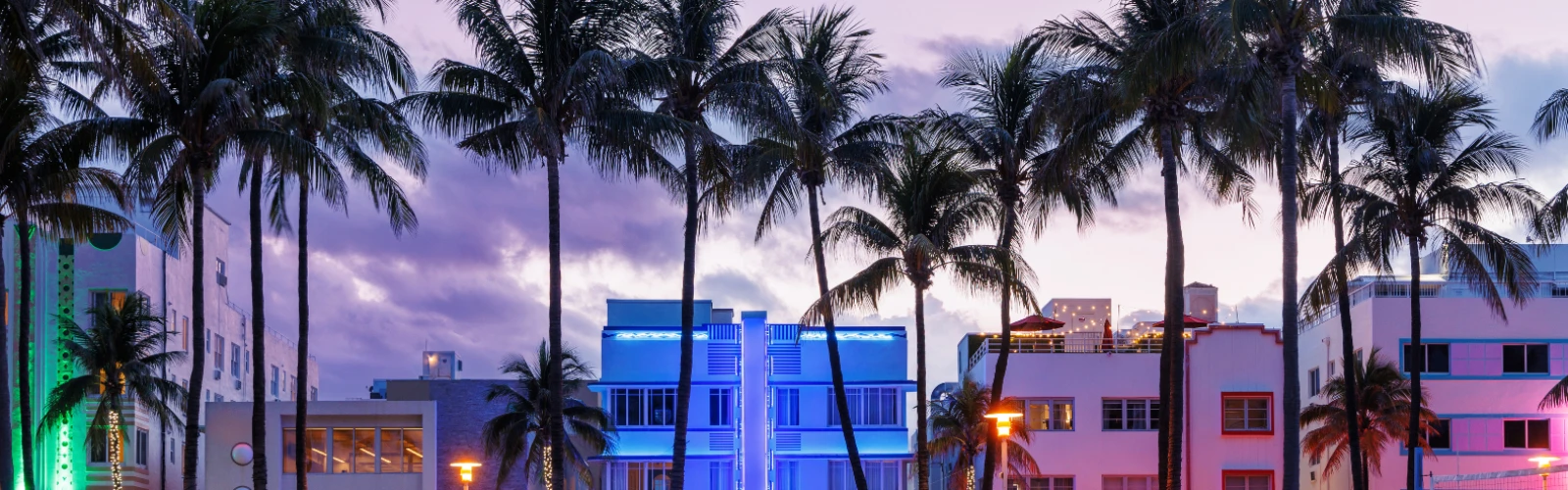
Art Deco & Ocean Drive: The Soul of Miami Beach

Introduction
When you picture Miami Beach, Florida, likely the image of sun-soaked shores, palm-lined promenades and vivid pastel buildings springs to mind. At the heart of that vision lies the marriage of two defining elements: the world-famous Ocean Drive and the rich architectural tapestry of the Art Deco Historic District. Together these form what you might call the soul of Miami Beach. This blog post takes you on a journey through the design, history, culture and vibrant life along Art Deco & Ocean Drive—how they developed, why they matter, and how you can experience them today.
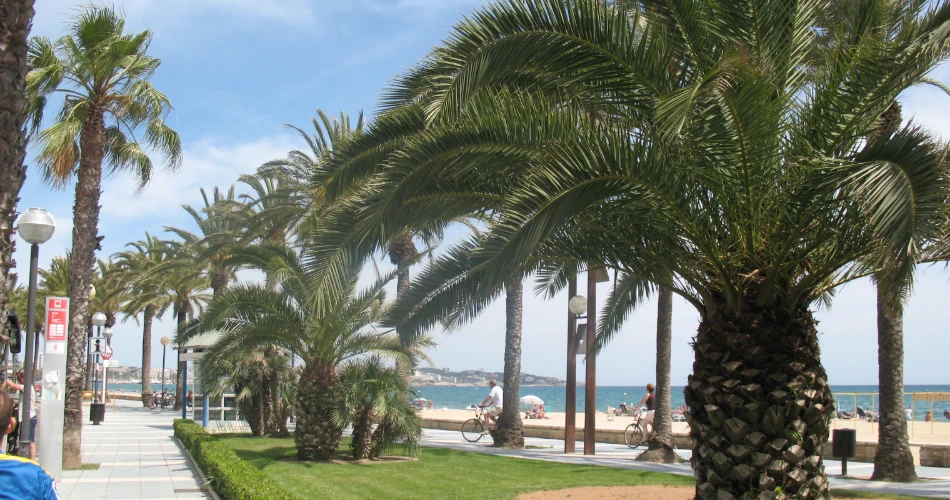
From Boom to Beach: How the Art Deco era shaped Miami Beach
In the early 20th century, Miami Beach was transforming from a quiet barrier-island getaway into a glamorous resort destination. The real estate boom of the 1920s laid the groundwork, but it was the architectural movement known as Art Deco that gave the city its distinct identity. This style, which originated in France in 1925 and was characterised by streamlined forms, geometric symmetry and ornamental detail, found a vibrant and tropical expression in Miami Beach.
Between 1923 and 1943, more than 800 buildings were constructed in the Art Deco District of Miami Beach. Architects such as Henry Hohauser and Lawrence Murray Dixon adapted the style for the local climate and lifestyle—curved corners to reflect ocean breezes, “eyebrow” window shades to block the sun, and tropical motifs to evoke the seaside ambiance.
This architectural flourish did more than create pretty buildings—it helped define the resort-culture image of Miami Beach: pastel colours, playful neon signage, terraces overlooking the Atlantic, and that distinctive sense of glamour and leisure.
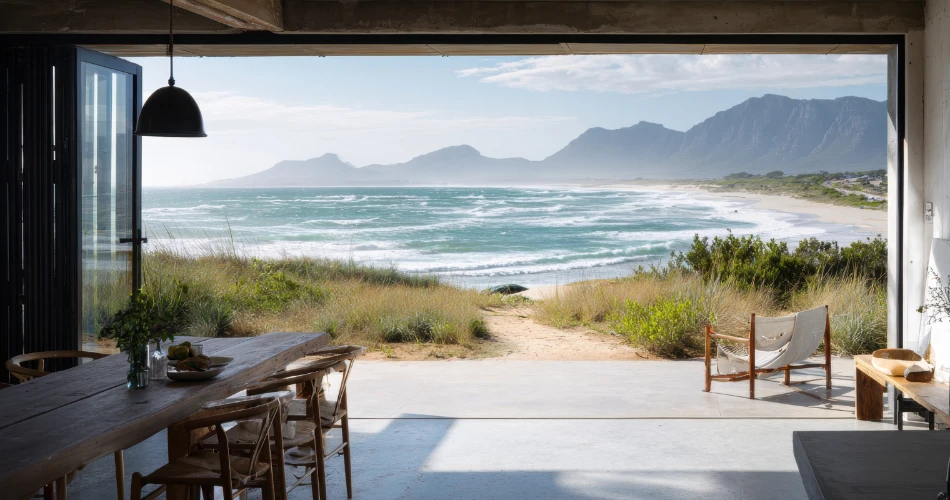
The Iconic Strip: Why Ocean Drive became the beating heart of Miami Beach
Ocean Drive is not just a street—it’s a destination. Stretching from South Pointe up to roughly 15th Street in the South Beach neighbourhood of Miami Beach, this thoroughfare is flanked by sand, palm trees and the Atlantic on one side—and pastel Deco hotels, cafés and nightlife on the other.
What makes Ocean Drive so iconic is its architecture-meets-leisure atmosphere. The row of Art Deco buildings facing the ocean became the image of the city in postcards, films and travel-magazines.During the 1930s and 1940s the street evolved into a vibrant seaside boulevard of hotels, restaurants and entertainment.
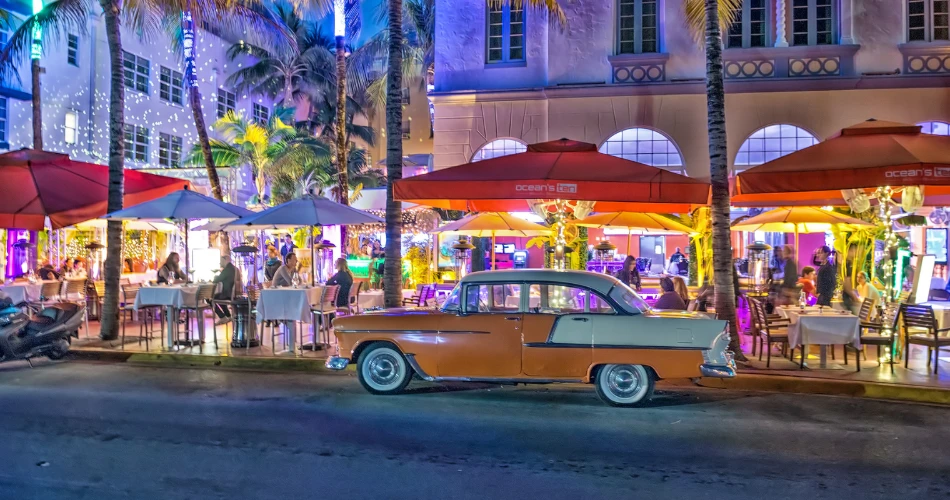
Today walking down Ocean Drive at dusk—with neon signs glowing, cars cruising, and that ocean breeze in your face—is a one-of-a-kind sensory experience. You get to feel the soul of Miami Beach at street-level.
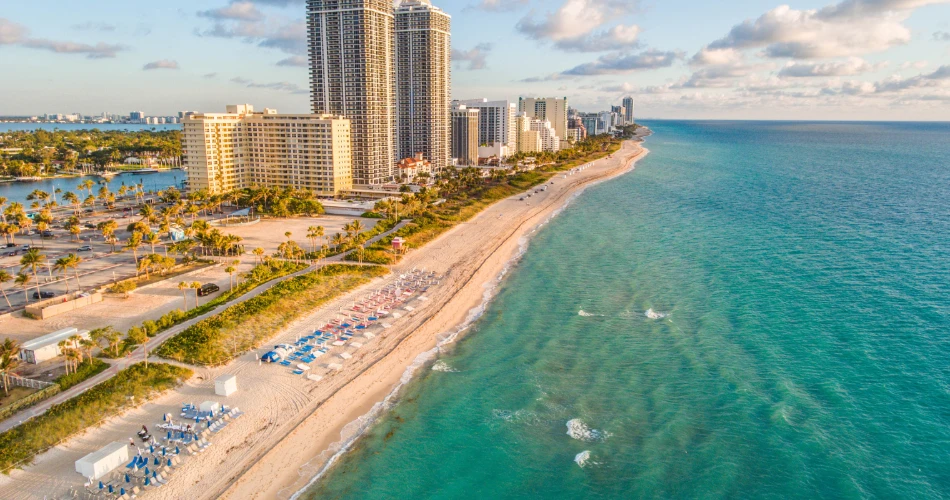
Architectural Gems: Spotlight on Art Deco details and must-see buildings
One of the joys of exploring this district is discovering the architectural details that make Art Deco unique and locally adapted. The facades feature zig-zag motifs, sunburst patterns, porthole windows, rounded corners and pastel colour schemes.
Take for example the famous Colony Hotel (1939) on Ocean Drive—its neon sign alone makes it a landmark. Or the notion of Tropical Deco: a blend of Art Deco’s geometry with motifs drawn from palm-fronds, ocean waves, nautical design and desert modernism.
Every building tells a story: of the roaring twenties, the Great Depression-era optimism, the post-war boom and the city’s reinvention. For anyone who loves architecture—or just the visuals of a cityscape—this area is a playground.
Preservation & Revival: How Miami Beach saved its Art Deco heritage
By the mid-20th century, the Art Deco style had fallen out of favour and many of the buildings in Miami Beach fell into disrepair. But a preservation movement led by organisations such as the Miami Design Preservation League (MDPL) helped reverse the decline.
In 1979 the Miami Beach Art Deco District was listed on the National Register of Historic Places. And in 1986 a city ordinance further protected these buildings.
Thanks to these efforts, the district today remains one of the most intact and celebrated collections of Art Deco in the world. It’s not only preserved—it’s alive, vibrant and functional. From hotel restorations to colourful neon signage, from guided walking tours to design festivals, the architectural heritage of Miami Beach is both honoured and enjoyed.
The Lifestyle & Culture: What it’s like to stroll, stay and soak up the scene
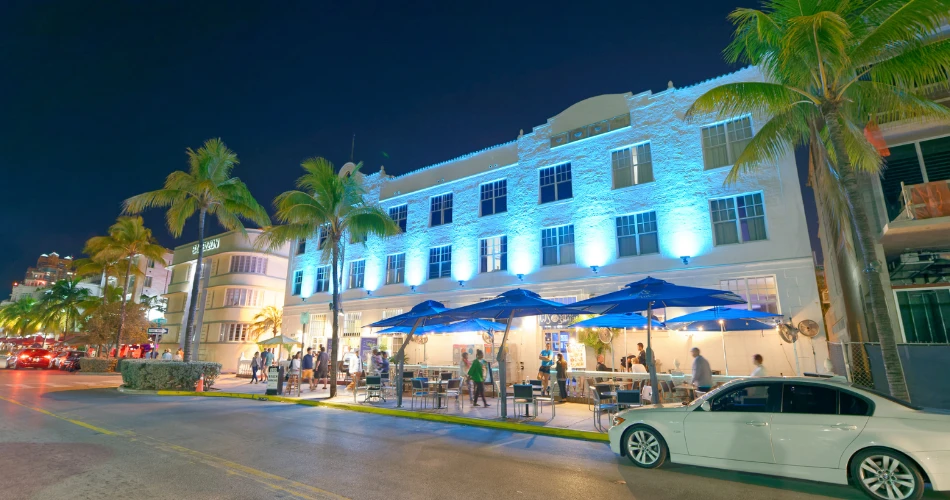
Part of what gives the Art Deco & Ocean Drive area its soul is the lifestyle around it: outdoor cafés, beachfront promenades, pastel-coloured hotels, live music, neon lights and that irresistible blend of sun, sand and design.
During the day you’ll see beach-goers lounging on white sand, fitness boot-camps in the park, people bicycling along the boardwalk. At night the scene shifts: neon lights glow, nightlife pulses, dining spills onto sidewalks, cars cruise up and down the street. Ocean Drive becomes stage and spectator at once. The architectural backdrop lends glamour and nostalgia.
For travellers, staying in one of the historic Art Deco hotels means waking up in a piece of design-history, then stepping out into the mix of global travellers, local residents and creative types. Shopping along nearby pedestrian strips, dining al-fresco, people-watching—this is how the soul of Miami Beach comes alive.
Tips for Visitors: How to experience Art Deco & Ocean Drive like a local
If you’re planning to explore this vibrant zone, here are a few practical tips to help you make the most of it:
-
Start early or at twilight: The light at sunrise gives pastel façades a beautiful glow. At night the neon lights give a totally different vibe.
-
Join a walking tour: A guided tour of the Art Deco District will highlight the architectural features, history and hidden details. The district includes over 800 buildings in one square-mile.
-
Look up: Often the best details are on the upper floors—eyebrows over windows, curved railings, portholes.
-
Stay in a historic hotel: Even a quick stay lets you absorb the architecture, design, atmosphere.
-
Explore side streets: While Ocean Drive is the showpiece, parallel streets like Collins Avenue and Washington Avenue hold quieter treasures.
-
Combine beach+architecture: Lummus Park and the beach lie directly behind the Deco buildings—so you get sun & sand plus design.
-
Respect the history: Many buildings are protected and part of a living heritage. As you enjoy the nightlife and design, appreciate the legacy.

Why It Matters: The enduring legacy of Art Deco and Ocean Drive in the 21st century
Why should we care about the Art Deco & Ocean Drive zone beyond its beauty? Because it stands for something more: the fusion of design, tourism, climate adaptation and popular culture.
The architectural style of Art Deco in Miami Beach is not simply decorative—it reflects the optimism of the 1920s-30s, the ambition of resort development, and adaption to the tropical environment (curves, shades, pastel tones). That means the buildings speak to history, environment and culture simultaneously.
Furthermore, as tourism evolves and cities seek to maintain character in the face of globalisation, the preservation of this district shows how a place can hold onto identity while remaining dynamic. The street-life of Ocean Drive, the hospitality of the hotels, the design details—all combine to make it more than a museum-zone: it’s living heritage.
Today the district remains an anchor for Miami Beach’s identity. It draws visitors, supports local businesses, showcases design education and remains a backdrop for film, fashion and creativity. It’s not just part of the past—it is part of how the city presents itself to the world now.

Conclusion
From its origins in the design-boom era to its role today as a global icon of style and leisure, the story of Art Deco & Ocean Drive is the story of Miami Beach itself. Walking along those pastel-coloured façades, under neon-glow skies and beside the Atlantic tide, you don’t just see architecture—you feel a place’s soul.
So next time you’re planning a trip, or simply dreaming of sun, sand and design, remember: the legible lines of Art Deco, the vibrant hum of Ocean Drive and the constant interplay of past and present all await you in one destination. Miami Beach invites you not just to visit—but to immerse, explore and feel its unique architectural heartbeat.

About Author
Amelia has a great eye for photography. She has traveled to over 30 countries and has produced great videography and photos, along with penning them down with her writing skills. She has also worked with many top travel photographers.